
- All
- Product Name
- Product Keyword
- Product Model
- Product Summary
- Product Description
- Multi Field Search

Views: 208 Author: Eva Publish Time: 2025-03-01 Origin: Site


Candles have been a source of light, warmth, and ambiance for centuries. From ancient times to modern-day decor, candles have played a significant role in human history. But have you ever wondered how candles work? In this article, we will explore the science behind candles, their components, and the process of burning. We'll also include plenty of images and videos to help illustrate these concepts.
A candle is made up of three main components: the wick, the wax, and the fuel. Each of these components plays a crucial role in how a candle functions.
The wick is the string-like material that runs through the center of the candle. It is typically made from braided cotton, although other materials like paper or fiberglass can also be used. The wick's primary function is to draw the liquid wax (fuel) up to the flame through capillary action.

*Figure 1: A close-up of a candle wick.*
The wax is the solid fuel that surrounds the wick. It can be made from various materials, including paraffin, beeswax, soy, or palm wax. When the candle is lit, the heat from the flame melts the wax near the wick, turning it into a liquid. This liquid wax is then drawn up the wick to fuel the flame.

*Figure 2: Different types of candle wax.*
The fuel is the liquid wax that is drawn up the wick. When it reaches the flame, it vaporizes and combusts, producing light and heat. The type of wax used can affect the candle's burn time, scent, and overall performance.

*Figure 3: A candle flame in action.*
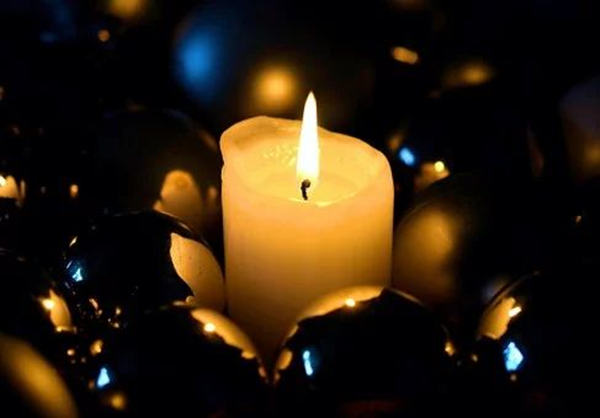
When you light a candle, several physical and chemical processes occur simultaneously. Let's break down the science behind burning a candle.
The process begins when you light the wick with a match or lighter. The heat from the flame melts the wax near the wick, turning it into a liquid. This liquid wax is then drawn up the wick through capillary action.

*Figure 4: Lighting a candle wick.*
As the liquid wax reaches the flame, it vaporizes and mixes with oxygen in the air. This mixture then undergoes combustion, a chemical reaction that produces heat, light, water vapor, and carbon dioxide.

*Figure 5: The combustion process in a candle flame.*
A candle flame has three distinct zones: the inner blue zone, the middle yellow zone, and the outer faint blue zone. Each zone has a different temperature and chemical composition.
- Inner Blue Zone: This is the hottest part of the flame, where complete combustion occurs.
- Middle Yellow Zone: This zone is cooler and contains partially burned carbon particles, which give the flame its yellow color.
- Outer Faint Blue Zone: This is the coolest part of the flame, where the remaining carbon particles burn completely.

*Figure 6: The structure of a candle flame.*
The heat from the flame radiates outward, melting more wax and sustaining the combustion process. This creates a continuous cycle of melting, vaporization, and combustion until the wax is depleted or the flame is extinguished.

*Figure 7: Heat transfer in a burning candle.*
Candles come in various shapes, sizes, and materials. Each type of candle has its unique characteristics and uses.
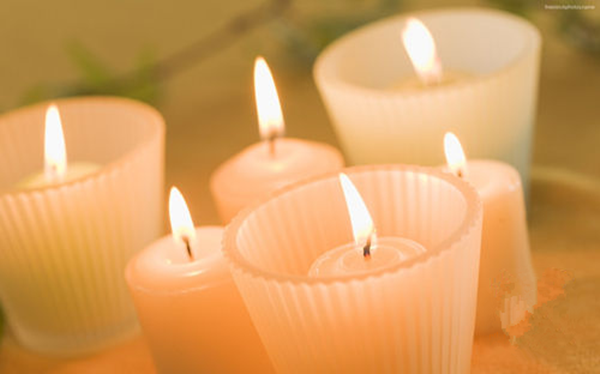
Paraffin candles are the most common type of candle. They are made from paraffin wax, a byproduct of petroleum refining. Paraffin candles are inexpensive and burn cleanly, but they can produce soot and release harmful chemicals when burned.

*Figure 8: A paraffin candle.*
Beeswax candles are made from natural beeswax, which is produced by honeybees. These candles burn longer and cleaner than paraffin candles and have a natural honey scent. However, they are more expensive.

*Figure 9: A beeswax candle.*
Soy candles are made from soybean oil and are a popular alternative to paraffin candles. They are biodegradable, renewable, and produce less soot. Soy candles also have a longer burn time and can hold more fragrance.

*Figure 10: A soy candle.*
Palm wax candles are made from palm oil and are known for their unique crystalline appearance. They are eco-friendly and burn cleanly, but their production can have environmental impacts if not sourced sustainably.

*Figure 11: A palm wax candle.*
Candles have been used for thousands of years, dating back to ancient civilizations. The earliest candles were made from animal fat and used for lighting. Over time, candles evolved, with different cultures developing their own methods and materials for candle-making.
The ancient Egyptians used rushlights, which were reeds soaked in animal fat. The Romans developed the first true candles by dipping rolled papyrus in melted tallow or beeswax.

*Figure 12: Ancient Egyptian rushlights.*
During the Middle Ages, candles became more widespread, with beeswax candles being used in religious ceremonies. Tallow candles were common among the lower classes due to their affordability.

*Figure 13: Medieval beeswax candles.*
In the 19th century, the invention of the stearin candle and the paraffin wax candle revolutionized the candle industry. Today, candles are used for a variety of purposes, including decoration, aromatherapy, and emergency lighting.

*Figure 14: Modern decorative candles.*
Making your own candles can be a fun and rewarding hobby. Here's a basic guide to making a simple paraffin wax candle.
- Paraffin wax
- Candle wick
- Wick holder
- Double boiler
- Fragrance oil (optional)
- Dye (optional)
- Candle mold
1. Melt the Wax: Using a double boiler, melt the paraffin wax until it reaches a liquid state.
2. Prepare the Wick: Place the wick in the center of the candle mold and secure it with a wick holder.
3. Add Fragrance and Dye: If desired, add fragrance oil and dye to the melted wax and stir well.
4. Pour the Wax: Carefully pour the melted wax into the mold, ensuring the wick remains centered.
5. Cool and Set: Allow the wax to cool and harden completely before removing it from the mold.
6. Trim the Wick: Trim the wick to the desired length, and your candle is ready to use.

*Figure 15: Pouring melted wax into a candle mold.*
While candles can create a cozy atmosphere, it's essential to use them safely to prevent accidents.
- Never Leave a Burning Candle Unattended: Always extinguish candles before leaving a room.
- Keep Candles Away from Flammable Materials: Ensure candles are placed on a stable, heat-resistant surface.
- Trim the Wick: Keep the wick trimmed to about 1/4 inch to prevent excessive smoking and uneven burning.
- Use Candle Holders: Always use a proper candle holder to catch dripping wax.
- Avoid Drafts: Place candles away from drafts to prevent uneven burning and flare-ups.

*Figure 16: A candle placed in a proper holder.*
A candle produces light through the process of combustion. When the wax vaporizes and mixes with oxygen, it undergoes a chemical reaction that releases energy in the form of heat and light.
The different colors in a candle flame are due to variations in temperature and the presence of partially burned carbon particles. The inner blue zone is the hottest, while the middle yellow zone is cooler and contains more carbon particles.
Yes, candles can be made from various materials, including tallow, beeswax, soy, and palm wax. Each material has its unique properties and burn characteristics.
The burn time of a candle depends on its size, wax type, and wick thickness. On average, a standard paraffin candle burns for about 7-9 hours per ounce of wax.
Soy candles are considered more environmentally friendly than paraffin candles because they are made from a renewable resource and produce less soot. However, the environmental impact can vary depending on the sourcing and production practices.


