- All
- Product Name
- Product Keyword
- Product Model
- Product Summary
- Product Description
- Multi Field Search

Views: 212 Author: Eva Publish Time: 2025-03-04 Origin: Site


Vinyl toys have become a popular collectible item and a creative medium for artists and designers. Manufacturing vinyl toys involves a series of steps from design to production. This article will guide you through the entire process, complete with images and videos to help you understand each stage.
The first step in manufacturing a vinyl toy is to sketch out your idea. This can be done traditionally with pen and paper or digitally using software like Adobe Illustrator or Photoshop.

Once the sketch is finalized, the next step is to create a 3D model. This can be done using 3D modeling software such as Blender, ZBrush, or Maya.
<video src="https://example.com/3d-modeling.mp4" controls></video>
After the 3D model is ready, a prototype is created using a 3D printer. This allows you to see a physical version of your design and make any necessary adjustments.

Some artists prefer to hand-sculpt their prototypes using clay or other materials. This method allows for more tactile control over the design.
<video src="https://example.com/hand-sculpting.mp4" controls></video>
Once the prototype is finalized, a master mold is created. This is usually done using silicone or another flexible material that can capture all the details of the prototype.

The master mold is then used to create production molds. These molds are typically made from a more durable material like steel or aluminum.
<video src="https://example.com/casting-mold.mp4" controls></video>
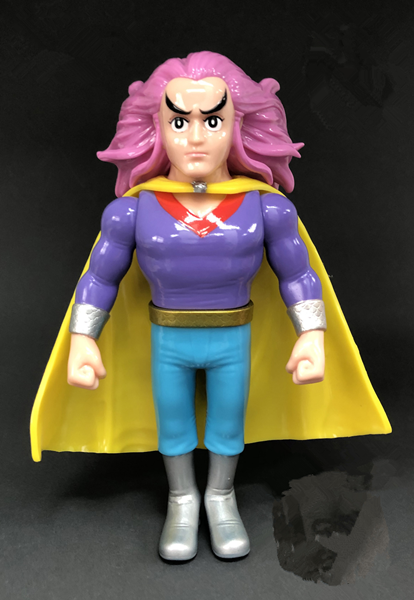
The production molds are used to cast the vinyl toys. Vinyl is heated until it becomes pliable and then injected into the molds under pressure.

After the vinyl is injected into the molds, it is allowed to cool and harden. Once cooled, the toys are removed from the molds.
<video src="https://example.com/cooling-demolding.mp4" controls></video>
Some vinyl toys are hand-painted to add details and colors. This is often done by skilled artists to ensure high-quality finishes.

For larger production runs, machine painting is often used. This method is faster and can produce consistent results.
<video src="https://example.com/machine-painting.mp4" controls></video>
Each toy is inspected for defects such as air bubbles, uneven paint, or mold lines. Any defective toys are either repaired or discarded.

Once the toys pass inspection, they are packaged and prepared for shipping. Packaging can vary from simple plastic bags to elaborate boxes with inserts.
<video src="https://example.com/packaging.mp4" controls></video>
Many vinyl toy manufacturers sell their products wholesale to retailers. This allows them to reach a broader audience.

Some manufacturers sell directly to consumers through their websites or online marketplaces like Etsy or eBay.
<video src="https://example.com/online-sales.mp4" controls></video>
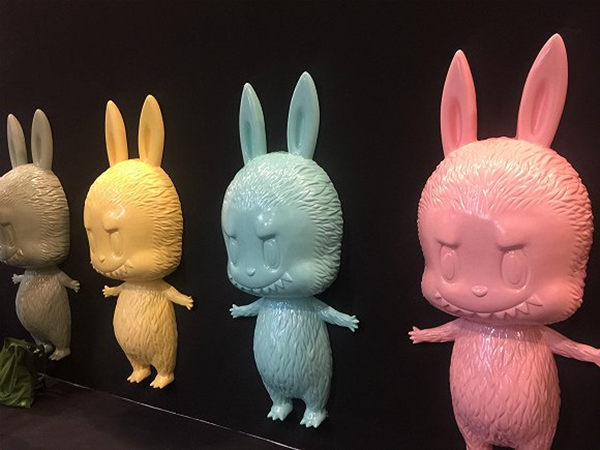
A1: Vinyl toys are primarily made from polyvinyl chloride (PVC), which is a type of plastic. Other materials like ABS may also be used for certain parts.
A2: The time it takes to manufacture a vinyl toy can vary depending on the complexity of the design and the production methods used. On average, it can take anywhere from a few weeks to several months.
A3: While it is possible to create prototypes and small batches at home using 3D printers and hand-sculpting tools, large-scale production typically requires specialized equipment and facilities.
A4: The cost of manufacturing vinyl toys can vary widely depending on factors like the complexity of the design, the materials used, and the scale of production. Initial setup costs for molds and equipment can be significant.
A5: Vinyl toys can be sold through various channels, including online marketplaces, specialty toy stores, and at conventions and trade shows.